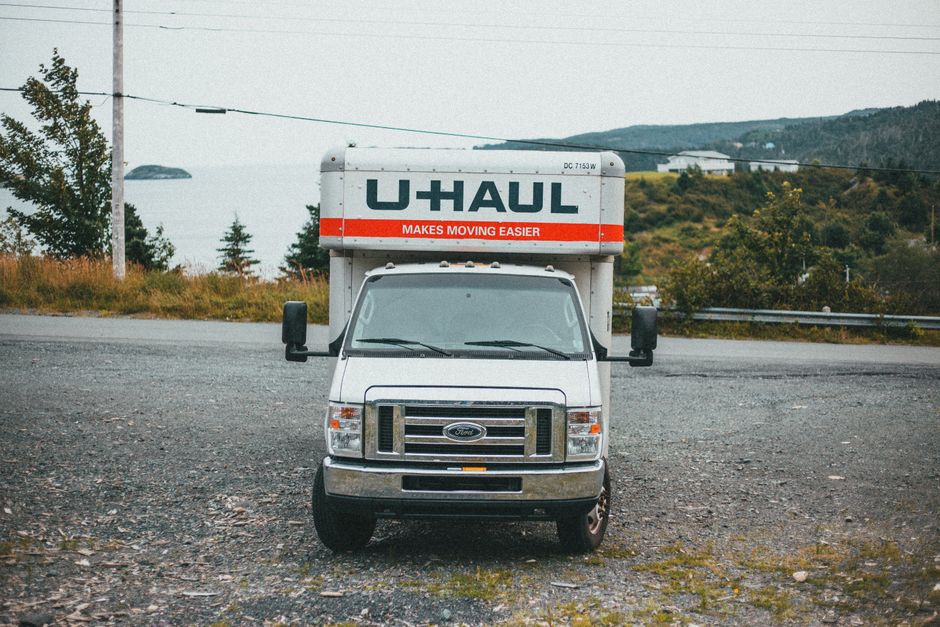
Castelnau moving service access guide for large vans
If you are planning a move in Castelnau and your vehicle is a large van, the access details matter more than people expect. One tight corner, one awkward parked car, or one low-hanging tree branch can turn a straightforward job into a slow, sweaty morning. This Castelnau moving service access guide for large vans is here to help you avoid exactly that. It covers the practical side of reaching properties, planning loading space, and choosing the right moving setup so the day runs calmly rather than chaotically.
Whether you are moving a flat, a family home, an office, or just a few bulky items, good access planning saves time, reduces risk, and makes the whole process feel far less stressful. And let's be honest, moving day already has enough going on.
Why Castelnau moving service access guide for large vans Matters
Access is the hidden part of a move. People usually focus on boxes, timing, and whether the sofa will fit through the front door, but the van is what connects everything. In Castelnau, where residential streets can be narrow, parking can be limited, and loading can be affected by nearby traffic, the route in and out is often the difference between an easy move and a messy one.
Large vans need more than "somewhere to stop." They need enough room to approach safely, unload without blocking traffic, and leave without reversing into trouble. If the van cannot get close enough, movers end up carrying items further than expected. That adds time, extra effort, and more chances for damage. Truth be told, most moving delays I've seen start with access, not with lifting.
This is especially important if your move involves bulky furniture, multiple stops, a tight schedule, or anything fragile. A good access plan helps a removal van work efficiently, and it can also guide whether you need a larger vehicle such as a moving truck or a more flexible man with van approach. Small detail, big impact.
Expert takeaway: if a large van cannot park close to the entrance, the move becomes slower, more physical, and usually more expensive. Good access planning is not a luxury; it is part of the service.
How Castelnau moving service access guide for large vans Works
At a practical level, access planning means checking how the vehicle will reach the property, where it can wait, how loading will happen, and what obstacles might get in the way. For a large van, this usually starts before moving day. A quick review of the street layout, the entrance type, and any restrictions helps everyone know what to expect.
In Castelnau, the common access questions are simple but important: Is there a wide enough road for a larger vehicle? Can the van safely pause near the property? Is the entrance shared, stepped, gated, or awkwardly positioned? Are there time limits for parking or loading? You do not need a complicated survey for every move, but you do need enough information to avoid nasty surprises when the van arrives.
Here is the basic flow most good moving teams follow:
- Gather property details before the booking.
- Check the size of the vehicle against the likely access route.
- Identify any restrictions, such as narrow turns, bays, or one-way approaches.
- Confirm where loading and unloading will happen.
- Plan the order of items so the heaviest or most urgent pieces are loaded first.
- Keep the team informed on the day if anything changes.
That sounds basic, but basic is good here. A move becomes easier when the driver knows what they are walking into, and the customer knows what the van can realistically do. If you are arranging broader support, a service like removal services or a more tailored man and van booking can often be matched to the access conditions rather than the other way around.
Key Benefits and Practical Advantages
Planning access properly gives you a few very real advantages, and none of them are fancy. They just make the day smoother.
- Faster loading and unloading: a van parked closer to the property means fewer carrying trips.
- Lower risk of damage: shorter carries usually mean fewer knocks to walls, doors, and furniture.
- Less disruption to neighbours: careful positioning helps avoid blocking drives or footpaths for longer than necessary.
- Better protection for fragile items: items are handled fewer times, which is always a plus.
- More accurate quotes: access details help the mover price the job realistically from the start.
There is also a calmer side to it. When access is sorted, you do not spend the morning improvising. That matters if you are juggling a lease handover, school runs, work calls, or just the general chaos of a move. A properly planned job can feel almost boring. Which, on moving day, is a compliment.
If you are moving a home rather than a single item, the access conversation becomes even more valuable. Services such as home moves, house removals, and flat removals all benefit from knowing exactly how the van will arrive and depart.
Who This Is For and When It Makes Sense
This guide is useful for anyone booking a large van in Castelnau, but some moves rely on it more than others.
- Families moving house: especially if furniture is bulky or there are lots of boxes.
- Flat residents: shared entrances, stairwells, and limited parking can complicate access quickly.
- Office clients: time windows, loading bay constraints, and equipment handling all matter.
- Students: smaller loads still need clear vehicle access, particularly at peak moving times.
- People moving specialist items: pianos, large wardrobes, gym kit, or heavy shelving all need better planning.
It also makes sense if you are unsure whether a bigger vehicle is actually the right choice. Sometimes a standard van is enough, and sometimes the layout of the street suggests you need a different approach altogether. If that sounds familiar, comparing removal van options with removal truck hire is a sensible first step.
And yes, if you are only moving a couple of items, access still matters. One awkward kerb can turn "just a quick job" into a little workout you did not ask for.
Step-by-Step Guidance
If you want the move to go well, follow the same rough sequence every time. It does not need to be complicated.
1. Check the street and approach
Look at the road outside the property and think about where a large van would actually stop. Is there space to pull in safely? Would reversing be required? Are there parked cars, bends, or narrow sections that could make access slow?
If you are not sure, stand outside at the time of day you expect the van to arrive. Morning light and afternoon traffic can make a big difference. What feels roomy at 9 a.m. may feel far tighter by 5 p.m.
2. Measure the practical entry points
For access planning, the main points are not just the road itself. You should also think about gates, shared corridors, steps, door widths, lifts, and any awkward turns between the van and the front door. For large furniture, every corner counts.
3. Prepare the loading area
Move smaller items away from the entrance so the team has space to work. Keep hallways clear. If you live in a flat, let neighbours know about the move if that helps avoid friction. A tidy entry space speeds everything up. Simple, but it works.
4. Share access details early
Tell the mover about restrictions before the booking is finalised. Mention any parking limits, resident permits, low bridges, gated access, steep drives, or shared entrances. The earlier the move team knows, the easier it is to choose the right vehicle and timing.
5. Plan the loading order
Heavy and sturdy items usually go in first, then lighter or more fragile things are placed around them. If access is tight, this order matters even more, because no one wants to carry the same piece in and out twice. Pack the vehicle like a puzzle, not like a bin bag. That phrase has survived because it is annoyingly true.
6. Keep a backup option in mind
If the van cannot get right to the door, decide in advance whether a short carry, a second parking spot, or a different vehicle size is the best fallback. Good movers adapt, but they need a sensible Plan B rather than guesswork.
Expert Tips for Better Results
These are the little things that tend to make a large-van move run better in Castelnau. None of them are dramatic. All of them help.
- Book a realistic time window: if access is tight, avoid squeezing the job into a rushed slot.
- Use labelled boxes: it helps the team load the van in a sensible order and place items quickly at the other end.
- Keep a "first off" box: kettle, charger, basics, tools, cleaning cloths. You will thank yourself later.
- Protect corners and floor edges: especially in shared hallways or narrow stairwells.
- Ask about vehicle fit before the day: a quick conversation about dimensions can save a lot of faffing.
In our experience, the best moves are the ones where the customer gives a few honest details upfront. "It's a bit tight," "there's a shared entrance," or "parking is usually okay but not always" is much more helpful than pretending everything is easy. Movers can work with detail. They cannot work with mystery.
If you are also planning packing support, pages like packing and boxes and packing and unpacking services can be helpful complements to access planning, because organised packing usually means quicker handling at the property.
Common Mistakes to Avoid
A lot of access problems come from small assumptions. That is the annoying bit. They feel tiny at first, then suddenly they are not tiny at all.
- Assuming a large van can stop anywhere: stopping room is not the same as loading room.
- Leaving parking until the last minute: you do not want the crew circling while you search for space.
- Forgetting about height or width restrictions: especially in older streets or near awkward turns.
- Not telling the mover about steps or steep approaches: this affects handling, time, and team planning.
- Overfilling the property entrance: that creates delay and makes everything feel more frantic.
- Booking the wrong service type: some jobs need a more substantial vehicle or a more structured moving setup.
One common mistake is to focus only on the loading end and ignore the unloading end. It sounds obvious after the fact, but many people do it. Can the van stop near the new property too? If not, the whole day becomes a long carry rather than a neat transfer.
Another one: not checking whether a job is better suited to removals rather than a lighter-touch booking. That distinction matters when there are multiple rooms, awkward access, or fragile items involved.
Tools, Resources and Recommendations
You do not need specialist kit to plan access well, but a few simple tools help.
- Measuring tape: useful for checking doors, corridors, and furniture clearances.
- Phone photos: quick pictures of the street, entrance, and parking area can be very helpful.
- Building notes: if you live in a block, write down lift size, entrance codes, or booking rules.
- Box labels: these help speed up unloading and reduce confusion on arrival.
- Basic floor protection: cardboard, dust sheets, or similar protection can prevent scuffs in narrow spaces.
There are also a few service pages worth knowing about if your move is part of a bigger project. For heavier furniture, furniture removals can be a better fit. For offices, office removals and office relocation services may give you a more structured plan. For items that need temporary holding, storage can reduce pressure if access timing is awkward.
If you are comparing providers, it is also worth checking practical reassurance pages such as insurance and safety and health and safety policy. Those pages matter because access is not just about convenience; it is also about safe handling and clear expectations.
Law, Compliance, Standards, or Best Practice
For a moving service, compliance is mostly about operating safely and responsibly. That includes sensible loading practices, appropriate insurance cover, careful manual handling, and respectful use of public space. The exact rules can vary depending on the street, the property, and local parking arrangements, so it is best to treat access as a practical planning issue rather than a fixed one-size-fits-all rule.
In the UK, movers and customers generally need to be mindful of public access, neighbour access, and traffic flow. That means avoiding unsafe stopping positions, not blocking pavements unnecessarily, and taking care around pedestrian areas. If you are in a managed building, the building's own move procedures may also apply. These can include lift bookings, loading bay time windows, or notice periods.
Best practice is straightforward: tell the mover about the site conditions early, confirm any special instructions, and keep the route as clear as possible on the day. If you are handling commercial items or an office relocation, that becomes even more important because time-sensitive access and equipment safety tend to matter more. A good provider will build these checks into the plan rather than treating them as extras.
You may also want to look at practical and business-facing pages such as commercial moves if the job is tied to a workplace or trade setup. It is the sort of detail that keeps surprises to a minimum.
Options, Methods, or Comparison Table
Choosing the right moving setup depends on access, load size, and how much help you want on the day. Here is a simple comparison to make the decision a bit easier.
| Option | Best for | Access needs | Typical advantage |
|---|---|---|---|
| Man with van | Smaller home moves, single-room jobs, light furniture | Moderate; can often work well where space is limited | Flexible and often straightforward to arrange |
| Removal van | Standard household moves and mixed loads | Needs sensible parking and loading room | Good balance of capacity and manoeuvrability |
| Moving truck | Larger loads, multi-room moves, office equipment | Needs the best access planning of the three | More space in one trip, reducing repeat journeys |
There is no perfect option in the abstract. The right choice depends on the street outside the property, the amount of furniture, and the kind of carry involved. If you are unsure, start with the access, not the vehicle. That tends to lead to a better decision.
Case Study or Real-World Example
A useful example is a typical Castelnau flat move with a sofa, bed, several boxes, and a couple of fragile items. The resident thinks a large van will be fine because the road looks manageable from the front door. But once the team arrives, there is a line of parked cars, a tighter turn than expected, and limited room for a long stop. Nothing impossible, just not ideal.
Because the access had been discussed in advance, the mover adjusts the plan. The van parks a little further along the road in a safer position, the loading order is changed so the heaviest items go first, and the team uses shorter, more efficient carries. The job still takes effort, obviously, but it stays controlled. No drama, no crushed time schedule, no desperate search for a second parking spot five minutes before departure.
That is the kind of difference access guidance makes. It does not eliminate moving day. It just makes the day behave.
For a move with stairs or awkward access, support from house removalists can be worth considering. If the move is time-sensitive, same day removals may also be relevant, although timing and access need to be checked very carefully in that case.
Practical Checklist
Use this checklist before the van arrives. It keeps the small things from slipping through the cracks.
- Confirm the property address and exact entrance.
- Check whether the street can accommodate a large van safely.
- Note any parking restrictions, bays, permits, or time limits.
- Tell the mover about steps, gates, lifts, or narrow corridors.
- Clear the path from the property to the loading point.
- Label boxes so priority items can be found quickly.
- Protect floors and corners where needed.
- Keep keys, access codes, and contact numbers to hand.
- Set aside essential items for immediate use after arrival.
- Double-check whether a different vehicle size would be better.
If you are moving something more specialised, such as an upright instrument, remember that piano removals have their own handling demands. That sort of job rewards careful planning more than almost anything else.
Get a free quote today and see how much you can save.
Conclusion
A good Castelnau moving service access guide for large vans is really about one thing: removing uncertainty before it turns into delay. If the van can get close, if the route is clear, and if everyone understands the constraints, the move usually becomes calmer, quicker, and safer. That is true whether you are moving a studio flat, a family house, or a small office.
The best moves are rarely the flashiest ones. They are the organised ones. The ones where someone asked the awkward question early, checked the street properly, and thought about the carrying distance before it became a problem. A bit of planning goes a long way, and in moving work, it usually pays you back in time and peace of mind.
So take the access seriously, keep the details honest, and give the van the best possible route in. The rest tends to follow.
Frequently Asked Questions
Can a large van usually access properties in Castelnau?
Often yes, but it depends on the exact street, parking conditions, and the property layout. Some addresses are straightforward, while others need a bit more planning because of narrow roads or limited stopping space.
What should I tell the mover before moving day?
Share anything that affects loading or parking: steps, gates, lifts, tight entrances, permits, restricted roads, and any time limits. The more practical detail you give, the better the plan will be.
Is a large van better than a smaller van for access issues?
Not always. A larger van may carry more in one go, but it can be harder to place on a tight street. Sometimes a smaller vehicle is actually the smarter choice for awkward access.
What happens if the van cannot park right outside?
The crew may need to park a short distance away and carry items further. That is workable, but it can add time and effort, so it is best to factor that in before the booking.
Do flats and house moves need different access planning?
Yes, usually. Flats often involve shared entrances, stairwells, lifts, and more parking pressure, while houses may have drives, kerbs, or front-garden obstacles to think about.
How far in advance should I check access?
Ideally before the move is confirmed, then again closer to the date if anything changes. Parking conditions and building arrangements can shift, especially in busier parts of London.
Can I use the same van for furniture and boxes?
Yes, if the load is planned properly. Boxes are easier to stack, but large furniture needs enough space and a sensible loading order. Mixed loads are common and usually manageable.
What if I need storage during the move?
That can be a practical option if completion dates do not line up or if access timing is awkward. Using storage can make the move less pressured.
Does access planning affect the quote?
Usually it can, because access influences the time, vehicle choice, and handling effort. A clear description of the location helps create a more realistic estimate from the start.
Are there special considerations for office moves?
Yes. Office moves often involve equipment, fixed schedules, and shared building access rules. Services such as office relocation services are designed to handle that kind of planning more cleanly.
What is the best way to prepare fragile items for a large-van move?
Pack them securely, label them clearly, and keep them accessible so they do not get buried under heavier items. If the access route is tight, reducing repeat handling is especially important.
How do I know if I need removals rather than just a van?
If the move involves multiple rooms, heavy furniture, awkward access, or a full property load, a more structured option may be better. It is often worth comparing removals with lighter services before you decide.