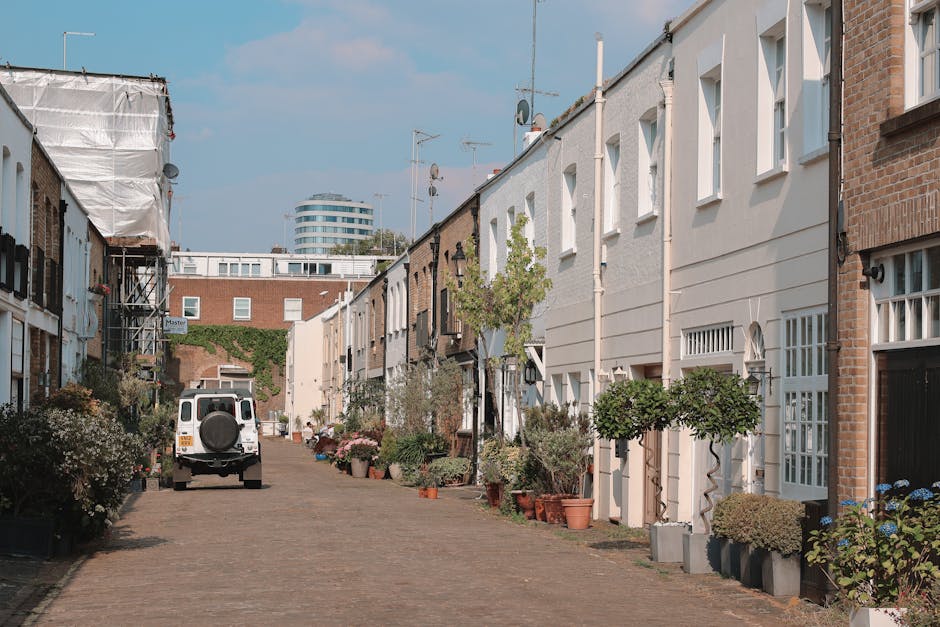
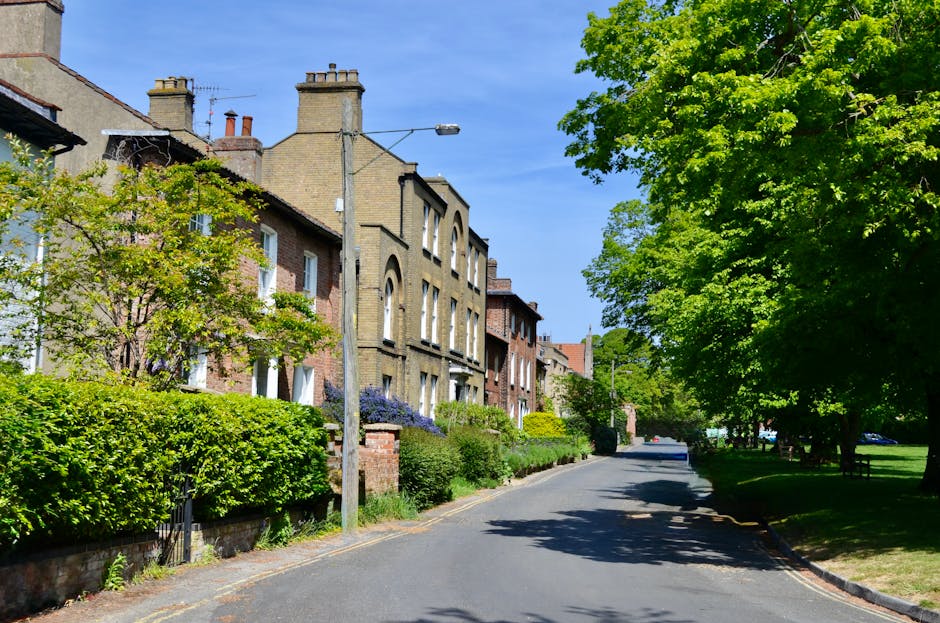
Lonsdale Road furniture removals advice for narrow streets
If you are planning a move along Lonsdale Road, you already know the real challenge is not just the lifting. It is the street itself. Narrow access, parked cars, tight turning space, and the awkward moment when a sofa seems wider than the entire road can turn a simple furniture move into a bit of a puzzle. This guide on Lonsdale Road furniture removals advice for narrow streets gives you the practical steps, local-minded thinking, and sensible checks that help a move go smoothly rather than becoming a stressy afternoon of reversing, waiting, and lifting things twice.
Truth be told, most moving problems in narrow streets are preventable. The key is planning the route, choosing the right vehicle, packing properly, and knowing when to move items by hand rather than trying to force the van closer. Below, you will find a clear breakdown of how to handle the move, what to avoid, and when a more flexible service such as man with van support or full furniture removals makes the most sense.
Expert summary: On narrow residential roads, the winning move is almost never "get the biggest van possible". It is usually "use the right size vehicle, plan the kerb access carefully, protect the furniture properly, and keep the loading flow short and calm."
Table of Contents
- Why Lonsdale Road furniture removals advice for narrow streets Matters
- How Lonsdale Road furniture removals advice for narrow streets Works
- Key Benefits and Practical Advantages
- Who This Is For and When It Makes Sense
- Step-by-Step Guidance
- Expert Tips for Better Results
- Common Mistakes to Avoid
- Tools, Resources and Recommendations
- Law, Compliance, Standards, or Best Practice
- Options, Methods, or Comparison Table
- Case Study or Real-World Example
- Practical Checklist
- Conclusion
- Frequently Asked Questions
Why Lonsdale Road furniture removals advice for narrow streets Matters
Narrow streets change the entire shape of a furniture removal. On a wider road, the van can often park close to the property, the crew can work efficiently, and the job flows in one clean sequence. On a narrow road, every metre matters. If the van blocks traffic, if neighbours cannot pass, or if the crew has to carry a heavy wardrobe a long distance because there was no sensible parking position, the move becomes slower and riskier.
That matters for a few reasons. First, heavy lifting over a longer distance increases the chance of knocks, grazes, and fatigue. Second, poor access can lead to delays, which means more disruption for you and everyone around you. And third, on a street with tight margins, good planning is part of being considerate. Nobody wants to be the move that leaves delivery drivers trapped and residents tutting from the pavement. Let's face it, you can feel the tension before anyone says a word.
The best Lonsdale Road furniture removals advice for narrow streets is therefore not just about moving furniture. It is about access management, timing, protection, and using the street intelligently. If your move also involves boxes, fragile items, or several rooms' worth of belongings, combining furniture planning with packing and boxes support can make the whole day more manageable.
How Lonsdale Road furniture removals advice for narrow streets Works
The process starts before anyone picks up a single table leg. A narrow-street move works best when you assess the property, the road width, the parking reality, and the shape of the furniture in advance. In practice, that means checking whether the vehicle can stop legally and safely near the property, whether the route from front door to van is clear, and whether any large items need partial dismantling.
In our experience, the move usually falls into three stages. First is pre-move planning: measuring big items, identifying access problems, and deciding the vehicle size. Second is move-day execution: protecting hallways, loading smartly, and keeping the walking route short. Third is the final placement at the destination, where items are carried in the right order so you are not moving the same chair three times just because the hallway was packed too soon. A bit annoying, and completely avoidable.
For furniture that is bulky or awkward, services such as removal services can be a good fit because the job is not only about transport. It is about judgement. A good mover will know when a chest of drawers should be wrapped, when a bed frame should come apart, and when the van should stay a little further away because the street simply does not allow anything else.
What narrow streets change operationally
- Less kerbside space for loading and unloading
- Higher chance of obstructing parked cars or passing traffic
- More need for manual carrying from a distance
- Greater importance of good timing and communication
- More risk of scraping walls, doors, or furniture edges
That does not mean the move is difficult beyond reason. It simply means you need a sharper plan.
Key Benefits and Practical Advantages
A well-managed narrow-street move saves more than time. It protects the furniture, reduces stress, and keeps the day from turning into one of those moves everyone remembers for the wrong reasons. The most obvious advantage is safer handling. When the route is short and planned, items spend less time being carried, tilted, and rotated around corners.
There is also a cost advantage, even if it is not always obvious at first glance. Fewer mistakes mean fewer delays. Fewer delays usually mean a cleaner moving day. And if you are hiring help, the right setup can prevent paying for extra time that was only caused by access issues rather than the move itself. A smaller, well-placed vehicle can outperform a huge one, especially on streets where turning and parking are tight.
Another benefit is neighbour relations. This sounds soft, but it really matters. A narrow road is a shared space. If you plan politely and keep the loading area tidy, people tend to be more patient. That little bit of goodwill can make a big difference when the van needs a few extra minutes. Small things, big impact.
Practical advantages at a glance
- Less chance of furniture damage
- Faster loading when access is planned correctly
- Reduced physical strain on movers
- Better control over fragile or oversized items
- Less disruption to the street and neighbours
Who This Is For and When It Makes Sense
This advice is useful for almost anyone moving furniture on a tight residential street, but it is especially relevant if you live in a flat, a terrace property, or a home with limited front access. It also matters if you are moving a few large pieces rather than a full house. One big sofa can be trickier than ten boxes, no joke.
You will get the most value from this approach if you are:
- Moving in or out of a property on a narrow London road
- Dealing with awkward furniture like wardrobes, sofas, beds, or dining tables
- Trying to avoid damage in hallways, stairwells, or tight entrances
- Working around limited parking or controlled loading space
- Trying to make the move efficient without overbooking a larger vehicle
It is also a smart approach for people who want flexibility. If your move is part of a larger relocation, perhaps combining household items with stored belongings, then using storage can reduce pressure on the day. Likewise, if the furniture only needs to go a short distance, or there is just one or two larger items, a more compact removal van may be enough.
For smaller local jobs, students, renters, and people moving a flat's worth of furniture often prefer a more agile setup. If that sounds like you, flat removals or student removals can be a better match than a large-scale move.
Step-by-Step Guidance
The easiest way to handle Lonsdale Road furniture removals advice for narrow streets is to break it into clear stages. Do not try to solve everything on move day morning. That is how people end up lifting sideboards sideways in a mild panic.
- Measure the big items. Check width, height, and any awkward protrusions like handles or fixed legs. A wardrobe that fits in your room may still hate your staircase.
- Inspect the access route. Look at the doorway, hallway, stair turns, and front steps. Count the corners, not just the straight sections.
- Check parking and stopping options. On a narrow road, the van may need to stop a little further away, so plan the carry route accordingly.
- Decide whether items should be dismantled. Beds, tables, and some wardrobes become much easier once separated into sensible parts.
- Protect the route. Use blankets, corner protection, and floor covering where needed. A tiny scuff on a fresh wall can be more upsetting than the lifting itself.
- Load in the right order. Put the bulkiest or heaviest items in first, then stack softer or lighter items around them.
- Keep a clear run at the property. Doors open and close a lot during a move. Keep shoes, bins, and loose clutter out of the way.
- Confirm the delivery sequence. Know what should come out first at the new address so the van can be unloaded efficiently.
If the move is more complex or time-sensitive, a flexible man and van arrangement can be a very practical middle ground. It gives you a smaller footprint than a big removal truck and can suit roads where access changes by the minute.
Expert Tips for Better Results
Good narrow-street moving advice is rarely dramatic. It is usually a list of sensible little decisions made early enough to matter. That is the real trick.
Start earlier than you think you need to. On a narrow street, the best arrival window is often before the road gets busy. Early morning can be calmer, with fewer parked cars and less passing traffic. The street just feels different at 8 a.m. than it does at midday. Quieter, less tense, less of a ballet with wing mirrors.
Choose the smallest suitable vehicle. Bigger is not always better. A more compact vehicle may park more cleanly and keep the loading route shorter. If the move only requires a moderate load, a van-based service is often more practical than hiring a truck that is difficult to position.
Wrap and group items by room. This helps both the loading order and the unloading order. It sounds simple, but grouped items save time when the destination has narrow access too.
Mark awkward pieces clearly. If one side of a table scratches easily or a mirror needs upright transport, label it before the day starts. Your future self will be grateful.
Have a Plan B for parking. Streets change from one hour to the next. A space that looked ideal at 7:30 may vanish by 8:15. So think through a fallback point where the van can legally and safely stop.
Keep a basic toolkit nearby. Allen keys, screwdrivers, tape, and a few bags for fittings are not glamorous, but they save time. They also stop you from finding random screws in a coat pocket three weeks later.
Common Mistakes to Avoid
The biggest mistakes on narrow roads are usually the predictable ones. They happen because the move feels straightforward right up until the van arrives and the reality of the street becomes obvious.
- Booking a vehicle too large for the access. If the van cannot stop well, everything becomes slower and less controlled.
- Not measuring furniture properly. Guessing is risky. A few centimetres can decide whether an item fits through a doorway or not.
- Ignoring parking pressure. On a tight road, a missed parking plan can cause delay before the first box is even touched.
- Leaving dismantling too late. Taking apart a bed frame in a corridor is never a fun surprise.
- Overpacking boxes. Heavy boxes are harder to carry through narrow access and more likely to split at the worst time.
- Forgetting to protect corners and thresholds. This is where chips, dents, and awkward repair jobs often happen.
- Assuming the move can be rushed. Tight streets reward calm, not speed for speed's sake.
The most common pattern, honestly, is people underestimating the last 20 metres. The road itself may be narrow, but the real bottleneck is usually the path from van to door. That is where everything slows down if the plan is loose.
Tools, Resources and Recommendations
You do not need a huge pile of equipment to move furniture well, but a few practical tools make narrow-street removals much easier. Here is the basic kit that tends to pay for itself on the day:
- Furniture blankets for sofas, tables, and wooden surfaces
- Straps and ties to keep items secure in transit
- Corner guards for door frames and exposed edges
- Tape and bags for screws, brackets, and fittings
- Gloves with grip to help with lifting and handling
- Floor protection for hallways and entrance points
- A trolley or sack truck if the route and surface allow it
For bigger household jobs, especially where there are multiple rooms involved, service options like home moves and house removals may be worth considering. They are particularly useful if the furniture move is part of a full relocation and you want the packing, lifting, and transport to be coordinated rather than handled in separate pieces.
It is also worth thinking about packing and unpacking services if your move includes fragile items, lamps, artwork, or a lot of small belongings. Once a narrow-street move starts, the fewer loose ends you have, the better. That is just common sense.
Law, Compliance, Standards, or Best Practice
For a furniture removal on a narrow residential road, the main compliance concerns are usually practical rather than bureaucratic. You want to avoid obstructing traffic, parking dangerously, damaging property, or creating unnecessary risk for people walking past. If any part of the job involves public highway access, keep the arrangement safe, lawful, and considerate.
In the UK, good moving practice usually means checking parking restrictions, not blocking emergency access, and handling heavy items in a way that protects both people and property. If the road is particularly tight or subject to local restrictions, a proper plan matters more than improvising on the day. That is where experienced movers can be valuable: they are used to adapting the sequence to the street rather than forcing the street to fit the move.
Health and safety best practice also comes into play. Heavy items should be carried with enough people, the route should be clear, and lifting should be shared sensibly. If you want to understand how a professional mover approaches safety and handling, it is worth reviewing the company's health and safety policy alongside its insurance and safety information. For customers who want transparency around service terms and payment, the pages on pricing and quotes and payment and security are also useful.
And because moving often involves trust, data, and communication, service standards matter too. Clear terms, clear expectations, and a sensible complaints route are all part of a professional setup. Nobody wants surprises. Well, maybe a housewarming cake. Not on the invoice, though.
Options, Methods, or Comparison Table
Different move styles work better depending on what you are moving and how narrow the road really is. Here is a practical comparison to help you choose.
| Option | Best for | Strengths | Trade-offs |
|---|---|---|---|
| Small removal van | Single rooms, a few large pieces, tight access | Easier parking, quicker kerbside stop, more flexible on narrow streets | Less capacity than larger vehicles |
| Man and van | Short local moves, flexible loads, mixed furniture and boxes | Good for access challenges, often more adaptable | May require careful planning for larger or fragile items |
| Full furniture removals | Multiple rooms, complete home moves, higher-value items | More structured handling, better for coordination | Can be more involved to organise |
| Storage plus staged move | Moves that cannot be completed in one go | Reduces pressure on a difficult street and gives breathing room | Requires extra planning and an additional step |
If the street is exceptionally tight, a staged move is sometimes the calmest answer. Move the items that fit best first, store the rest if needed, and avoid forcing a bad parking situation just to save one trip. That decision alone can prevent a lot of frustration.
Case Study or Real-World Example
Picture a typical move on a narrow London road: a two-bedroom flat, a sofa that has seen better days, a dining table with detachable legs, and a staircase that turns sharply halfway up. The van cannot sit directly outside for long because the street is narrow and parked cars leave only a modest gap.
The sensible approach is simple. The crew arrives early, parks in the best available spot, and checks the carrying route before anything is touched. The sofa is wrapped first because it is bulky but manageable with two people. The table is dismantled, leg fittings bagged and labelled, and the mattress is protected before loading. The boxes go in after the large items, with the first-unload items placed near the van doors so the destination drop is fast.
What changes the outcome most is not muscle. It is sequencing. The property is kept clear, the hallway remains usable, and no one has to force an oversized piece through a doorway with crossed fingers and a whispered "this should be fine." Usually, that phrase is a warning sign.
That kind of move is exactly where a more agile service such as man with a van can be more efficient than a larger, less nimble vehicle. If the load is modest but access is difficult, flexibility often beats capacity.
Practical Checklist
Use this checklist the day before and again just before the van arrives.
- Measure the widest furniture items
- Check if any furniture can be dismantled
- Clear the hallway, entrance, and stairwells
- Protect floors, corners, and vulnerable surfaces
- Confirm where the vehicle can safely stop
- Prepare tools, tape, bags, and labels
- Group items by room or unloading priority
- Keep keys, contacts, and access details ready
- Plan for storage if everything cannot move at once
- Leave a realistic time buffer for narrow-street delays
If you are moving a more specialised item, such as a grand piano, do not try to improvise. In that case, a dedicated piano removals service is a safer and more appropriate choice.
Get a free quote today and see how much you can save.
Conclusion
The best Lonsdale Road furniture removals advice for narrow streets is straightforward: plan the access, choose the right vehicle, protect the furniture properly, and keep the move calm and organised. Once you accept that the street itself is part of the job, everything gets easier to think about. You stop fighting the layout and start working with it.
For some people, that means a compact van and a focused load. For others, it means a fuller service with help for packing, lifting, and careful transport. Either way, the goal is the same: keep the move safe, efficient, and free from unnecessary drama. And if you are reading this before the big day, good. You are already ahead of the game.
A well-planned move on a narrow road can feel surprisingly smooth. A few good decisions early on make all the difference, and they are often the sort of decisions people only wish they had made later. No shame in that. Moving is messy enough without trying to pretend otherwise.
Frequently Asked Questions
What is the biggest challenge with furniture removals on narrow streets?
The biggest challenge is usually access. If the van cannot park close to the property, the carrying distance increases, which can slow the move and make heavy items harder to handle safely.
Should I book a large van for a narrow street move?
Not always. A larger van may carry more, but it can be awkward to position on a tight road. In many cases, a smaller, more flexible vehicle works better.
How do I know if my sofa will fit through the hallway?
Measure the sofa at its widest point and compare it with the narrowest part of the route, including turns and door frames. Straight-line measurements are not enough when corners are involved.
Is dismantling furniture worth the effort?
Usually yes, especially for beds, tables, and wardrobes. Taking items apart can make them far easier to move through narrow entrances and tight staircases.
What if parking is not available right outside the property?
Plan for a longer carry route and make sure the mover knows in advance. A slightly farther parking spot is often manageable if it is planned properly.
Can a man and van service handle narrow streets well?
Yes, often very well. A more compact setup can be ideal for short local moves and streets where access is limited. The key is choosing the right load size for the vehicle.
How should I protect walls and door frames during a move?
Use blankets, padding, or corner protection where needed. Even a small scrape can be annoying to fix, so it is worth putting protection in place before lifting starts.
What should I move first on the day?
Start with the largest and most awkward items, then load boxes and smaller pieces around them. That usually gives the best use of space and keeps the sequence under control.
Do I need storage if the street is too tight for a full move?
Sometimes storage is a smart staging option, especially if the move has to happen in phases or if access problems make a one-day transfer unrealistic.
How early should the movers arrive for a narrow-street job?
Earlier is often better. Quieter periods usually mean fewer parked cars, less traffic, and a smoother loading process. Morning arrivals are often the easiest to manage.
What kinds of items need extra care on a narrow street?
Large wardrobes, glass tables, mirrors, pianos, and bulky sofas usually need extra care because they are harder to turn and balance in confined spaces.
Where can I learn more about service standards and safety before booking?
Look for clear company information on moving methods, safety, insurance, pricing, and terms. Those details help you judge whether the service is a good fit for your move.
When a narrow street move is planned properly, it feels far less like a battle and more like a careful piece of problem-solving. That's the real aim, really. Calm, clear, done well.