SW13 house removals zones parking and permit tips
Moving house in SW13 can feel deceptively simple on paper, then suddenly the reality hits: narrow streets, resident bays, timed restrictions, awkward loading space, and a van that absolutely does not want to sit where you hoped it would. If you are trying to plan SW13 house removals zones parking and permit tips, the small details matter just as much as the packing. Get the parking right and the day runs calmly. Get it wrong and you may be juggling stress, delays, and avoidable extra cost before breakfast.
This guide breaks down how parking, loading access, and permit planning usually work around SW13, with practical advice you can actually use. It also shows where house removals, man and van support, and wider house removals planning fit into the picture so you can move with fewer surprises.
Table of Contents
- Why SW13 house removals zones parking and permit tips Matters
- How SW13 house removals zones parking and permit tips Works
- Key Benefits and Practical Advantages
- Who This Is For and When It Makes Sense
- Step-by-Step Guidance
- Expert Tips for Better Results
- Common Mistakes to Avoid
- Tools, Resources and Recommendations
- Law, Compliance, Standards, or Best Practice
- Options, Methods, or Comparison Table
- Case Study or Real-World Example
- Practical Checklist
- Conclusion
- Frequently Asked Questions
Why SW13 house removals zones parking and permit tips Matters
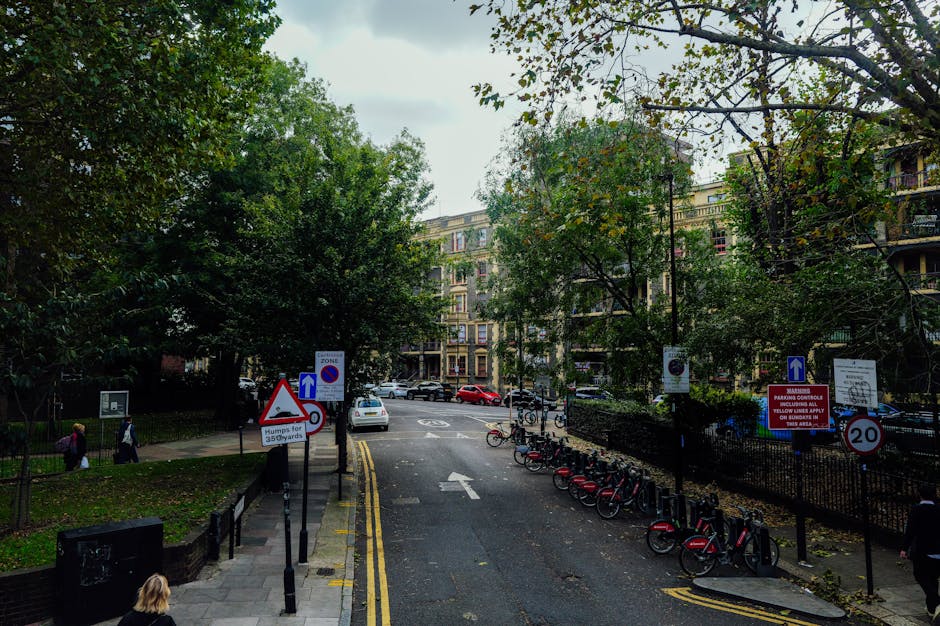
SW13 is one of those parts of London where moving logistics can be more important than the boxes themselves. Barnes and the surrounding streets often combine residential parking controls, limited kerb space, and a general lack of room for a removal van to linger. That means the difference between a tidy move and a messy one often comes down to planning the van position, the bay you will use, and whether you need permission or suspension for the spot outside.
Why does that matter so much? Because every minute the crew spends circling for space is a minute you are not loading. Every missed restriction can create stress, fines, or a hurried compromise. And nobody wants to carry a wardrobe down two flights of stairs only to find the van parked half a street away. Truth be told, that is the kind of thing people only think about after moving day, when it is too late.
Parking and permit planning also matter for neighbours and building management. If you live in a terrace, a mansion block, or a flat with shared access, keeping the road clear and using the correct bay can help avoid complaints and keep everything civil. A calm move is usually a cleaner move too.
How SW13 house removals zones parking and permit tips Works
The basic idea is simple: decide where the removal vehicle will stop, check what parking controls apply, and secure any permission needed before moving day. The detail is where people get caught out.
Typical parking considerations in SW13
- Resident permit bays may not be available to a removal vehicle unless specific permission is arranged.
- Pay-and-display bays can be useful for short loading periods, but time limits may be tight.
- Single yellow lines may allow loading at certain times, but this depends on the exact restriction and local enforcement.
- Double yellow lines are usually more sensitive and should never be treated casually.
- Red routes and busier roads need extra caution because stopping rules can be stricter.
In practical terms, the move usually works best when you identify one reliable loading point near the property, then build the rest of the day around that. If the road outside is tight, the plan might involve a smaller vehicle, a timed arrival, or a different loading method altogether. That is where services such as removal van support or a moving truck can be selected based on access rather than just volume.
Permits and permissions in plain English
For some moves, you may need a parking permit, bay suspension, or written permission from a building manager or managing agent. This is not always the same thing. A parking permit usually relates to the ability to stop in a controlled space. A bay suspension may temporarily remove that bay from normal use. Building permission is more about private land, shared drives, or access rules.
One small but important point: if your move involves a flat or upper-floor property, the access route matters just as much as the road outside. For example, a narrow stairwell and a no-stopping street together can make the schedule much tighter. If that sounds familiar, it may be worth reviewing flat removals support alongside your parking plan.
Key Benefits and Practical Advantages
A solid parking and permit plan does more than avoid headaches. It makes the whole move feel controlled, which is rare enough on moving day to be worth protecting.
- Faster loading and unloading because the vehicle is placed close to the entrance.
- Less carrying distance for boxes, furniture, and awkward items.
- Reduced risk of parking penalties or wardens interrupting the move.
- Better crew efficiency because the team can keep moving rather than shuffling vehicles.
- Lower chance of damage to furniture, walls, and door frames during long carries.
- Smoother communication with neighbours, porters, or building managers.
There is also a real comfort factor here. When the van is where it should be and you have clear permission to use the space, the day feels less like a scramble and more like a planned operation. Not glamorous, but reassuring. And honestly, that is what most people want when they are moving their home.
Who This Is For and When It Makes Sense
This topic is relevant for almost anyone moving in or out of SW13, but it matters most if your property has constrained access or if you are moving during busy hours.
You will want to pay special attention if you are:
- moving from a terrace, maisonette, or top-floor flat
- using a larger van or truck that needs a clear loading point
- moving on a weekday when bays fill quickly
- working around school runs, commuter traffic, or delivery windows
- dealing with a private road, concierge system, or managed block
- combining a home move with storage or split deliveries
It also makes sense for people who are not doing a full-scale household move. A single bulky sofa, a piano, or a last-minute same-day job can still require parking planning. In those cases, services like furniture removals or same-day removals may need the same level of access care as a bigger relocation.
Step-by-Step Guidance
Here is a practical way to approach SW13 moving-day parking without overcomplicating it. Small steps, done in the right order, save a lot of grief later. It really does.
- Assess the property access first. Check the road width, kerb space, entrance steps, and whether a van can safely stop close enough to the door.
- Identify the likely loading side. Look at both sides of the street where relevant. Sometimes the better loading point is not directly outside the front door.
- Check parking controls carefully. Note signs, bay times, yellow line restrictions, and whether the street is controlled at the time of your move.
- Confirm whether a permit, suspension, or permission is needed. If the property is in a managed block, speak to the managing agent or concierge early.
- Choose the right vehicle size. A smaller van may be more practical on a tight SW13 road than one large vehicle that cannot stop easily.
- Plan arrival time with traffic in mind. Early morning can be calmer, though that depends on your building and any access rules.
- Keep a backup plan. If the bay is occupied or access changes, know where the next nearest legal stop could be.
- Brief everyone involved. Tell helpers, the driver, and building contacts what the plan is. Fewer misunderstandings, fewer delays.
A small scene from a real moving day: boxes stacked in the hallway, kettle not yet packed, one eye on the street outside, and the van arriving just as a delivery lorry blocks half the road. That kind of thing is why buffers matter. Ten spare minutes can feel like a luxury, then suddenly like the whole plan holding together.
Expert Tips for Better Results
Here is where the day gets easier. A few practical habits make a bigger difference than people expect.
- Book the loading spot strategy before you book the lift-out strategy. If the van cannot park well, the rest becomes harder than it needs to be.
- Use a clear parking photo record. Snap the signs and bay markings when you arrive. It helps if there is confusion later.
- Keep the fastest-moving items near the door. First in the van should usually be the easiest items to carry. Save the awkward stuff for when the space is fully ready.
- Protect the building relationship. A polite note to neighbours or a conversation with the porter can prevent friction. Simple, but effective.
- Consider partial loading. If access is tight, one smaller vehicle doing two short runs may be better than forcing a huge truck into a bad spot.
- Use proper packing. A neat pack speeds up loading and makes short carries less risky. Packing and boxes services can help when the move is time-sensitive or physically demanding.
Expert summary: in SW13, the best move is usually the one that makes the road work for you, not the one that hopes the road will cooperate. That sounds obvious, but on moving day obvious things are surprisingly easy to overlook.
Common Mistakes to Avoid
Most moving problems in controlled parking areas are not dramatic mistakes. They are small assumptions that stack up.
- Assuming the space outside is fine. It might look available at 7am and be gone by 8am.
- Leaving permit checks until the last minute. This is one of the fastest ways to create stress.
- Ignoring loading times. A space that is legal for parking is not always practical for moving.
- Forgetting building rules. Some properties need advance notice for lifts, concierge access, or delivery booking.
- Choosing a vehicle that is too large. Bigger is not always better, especially on narrow SW13 streets.
- Not allowing for carry distance. It sounds minor. Then you are back and forth with a table and it suddenly is not minor at all.
And here is the slightly annoying truth: most of these mistakes are avoidable with one proper pre-move check. A 15-minute review can save an hour on the day. Possibly more.
Tools, Resources and Recommendations
You do not need fancy software to manage parking for a house move, but a few simple tools help enormously.
- Street-view or map review to visualise the road, corners, and likely stopping point.
- Phone photos of signs, bay markings, and access routes.
- A simple move-day timeline with arrival, loading, travel, and handover windows.
- A written checklist for keys, permits, building contact details, and access codes.
- Wrapping and packing materials to keep loading fast and reduce damage risk.
If your move is more than a straightforward van-and-box job, a broader removal services option can be a good fit because it brings planning, transport, and handling together rather than leaving you to coordinate everything piecemeal. For heavier household moves, house removalists may be useful where access and lifting need a more structured approach.
For people moving out of a flat, or combining stairs with parking restrictions, packing and unpacking services can save a surprising amount of time. It is not just about convenience. It can be the difference between a relaxed start and a rushed one.
Law, Compliance, Standards, or Best Practice
Parking and permits in SW13 are best handled with a cautious, rule-first mindset. London parking controls are enforced, and local restrictions can vary by street, bay type, and time of day. The exact rules depend on the location and the signs on the road, so you should always verify the controls for your specific address rather than relying on general assumptions.
Best practice usually includes:
- checking the street signage in advance
- confirming whether loading is allowed at your chosen time
- getting private property permissions in writing where possible
- planning for safe pedestrian access
- avoiding obstruction of driveways, crossings, or emergency access
It is also sensible to factor in health and safety considerations. Good movers should handle items carefully, avoid unsafe lifting, and keep walkways clear. If you want to understand the approach a provider takes to safe handling and working practices, their health and safety policy and insurance and safety information are worth reviewing.
For people booking a move, reading the terms and conditions before confirming can help clarify responsibilities around access, timings, and any circumstances that may affect the job. It is not exciting reading, no, but it can save misunderstanding later.
Options, Methods, or Comparison Table
Different SW13 moves need different parking strategies. The right choice depends on access, load size, and how much time you have on the street.
| Method | Best for | Strengths | Possible downside |
|---|---|---|---|
| Kerbside loading outside the property | Short, straightforward moves | Fastest and least carrying | Depends on legal space being available |
| Nearby legal bay with a short carry | Controlled streets or busy periods | More flexible if the front of the house is blocked | Extra walking and longer loading time |
| Smaller vehicle with multiple runs | Narrow roads and tight corners | Easier to place legally | Can take longer overall |
| Pre-arranged permit or suspension | Planned household or flat moves | Best chance of a predictable loading point | Requires advance organisation |
For some customers, the best answer is not a bigger truck but a better match between vehicle and access. That is why services such as man with a van can be ideal for tighter SW13 roads, while a larger removal truck hire option may suit properties with clearer access and more volume.
Case Study or Real-World Example
Imagine a family moving from a first-floor flat in SW13 to a house a few streets away. The furniture is not excessive, but there is a sofa, beds, a dining table, and a steady stream of boxes. The road outside the flat has controlled parking, and the nearest obvious space is often taken by residents during the morning.
The smart move is to check the street restrictions, ask the building contact whether the loading bay can be used, and choose an arrival time that avoids the busiest commuter window. The movers arrive with a vehicle that fits the road properly, not one that turns the street into a puzzle. Boxes are staged by the front door, the fragile items are loaded first, and the crew keeps the carry short by using the nearest legal stop. A bit of planning, really.
What could have been a chaotic morning becomes an orderly one. Not effortless. Moving never is. But manageable, which is what people actually need.
Practical Checklist
Use this checklist the day before the move and again on the morning itself.
- Confirm the moving date, access time, and estimated arrival window.
- Check the parking signs and loading restrictions outside the property.
- Arrange any permit, bay suspension, or building permission required.
- Keep a backup parking option in mind in case the first choice is taken.
- Notify neighbours or the building manager if needed.
- Measure large furniture and confirm it can fit through entrances and stairwells.
- Pack documents, keys, chargers, and essentials separately.
- Protect floors, bannisters, and corners if the property is tight.
- Share access codes or contact numbers with the moving team.
- Allow extra time for delays, traffic, or unexpected parking issues.
Useful note: if your move involves a lot of items you do not need immediately, using storage can reduce pressure on parking and loading times because the move can be split into more manageable stages.
Get a free quote today and see how much you can save.
Conclusion
SW13 moves are rarely difficult because of the boxes alone. They are difficult because access, parking, and timing all need to line up at once. Once you understand the zones, the likely restrictions, and the permit or permission steps, the whole process becomes much easier to control.
If you plan carefully, choose the right vehicle, and treat parking as part of the move rather than an afterthought, you will usually save time, reduce stress, and make the day far less dramatic. Which, let's face it, is exactly the point.
Take the parking question seriously, keep your plan simple, and give yourself a little breathing room. A well-run move in SW13 is absolutely possible, and it starts with the space outside the front door.
Frequently Asked Questions
Do I need a parking permit for house removals in SW13?
Sometimes, yes. It depends on the exact street, the type of parking controls in place, and whether the vehicle can legally stop for loading. Always check the signs and confirm the arrangement before moving day.
Can a removal van stop on yellow lines while I move?
Possibly, but only if loading is allowed at that time and the stop is justified. You should not assume this will be fine without checking the local restrictions first. The signs matter more than guesswork.
What if the space outside my SW13 property is already taken?
Have a backup plan. A nearby legal bay, a different arrival time, or a smaller vehicle can help. It is better to build that flexibility in before the day than to improvise while carrying a wardrobe.
Are flat moves in SW13 harder because of parking?
Often they are. Flats can involve tighter access, stairwells, lift booking, and more pressure on loading time. That is why flat removals planning is worth taking seriously.
What size vehicle is best for a SW13 house move?
It depends on the property and street access. A smaller van can be more practical where roads are tight, while a larger truck may suit properties with better space. Vehicle size should match the parking reality, not just the volume of belongings.
How far in advance should I check parking arrangements?
Ideally as early as you can, and certainly before the week of the move. Some permissions or private arrangements take time, and it is easier to sort them when you are not already packing into the night.
Can I use my own resident bay for the removal vehicle?
Not always. Some resident bays require specific permissions for commercial vehicles or loading activity. Check the local rules or speak to the managing authority if the property is private or shared.
Is it better to use a man and van or a full removal service in SW13?
For smaller, simpler moves, a man and van setup can be a good fit. For larger homes, awkward furniture, or more complicated access, a fuller removals service may be more efficient.
What should I do if my building has strict access rules?
Speak to the building manager or concierge early, ask what is required, and keep a written note of the arrangement. If lifts need booking or there are loading time windows, build those into your plan rather than treating them as optional.
Can same-day removals still work if parking is difficult?
They can, but the margin for error is much smaller. If the road is busy or parking is controlled, a same-day job needs a very practical loading plan. Same-day removals are best when access is checked quickly and realistically.
What if I have furniture going into storage as well?
Then split the move into clear stages. Storage can reduce pressure if not everything needs to be delivered in one go, and it may make parking and loading easier on a tight SW13 street.
How do I make sure my move stays safe and legal?
Follow the signs, arrange permissions where needed, keep access routes clear, and use a mover who treats safety properly. Reviewing the provider's insurance and safety approach is a sensible part of that process.